
Choosing the right haircut can completely transform your appearance and confidence. Among the most requested modern styles, taper vs fade remains a common comparison in barbershops around the world. Although these two cuts may appear similar at first glance, they have distinct characteristics that set them apart. Understanding their differences helps you communicate clearly with your barber and select a style that matches your personality, lifestyle, and grooming preferences. The features, maintenance, suitability, and styling flexibility of both haircuts to help you make an informed decision.
What Is a Taper Haircut?
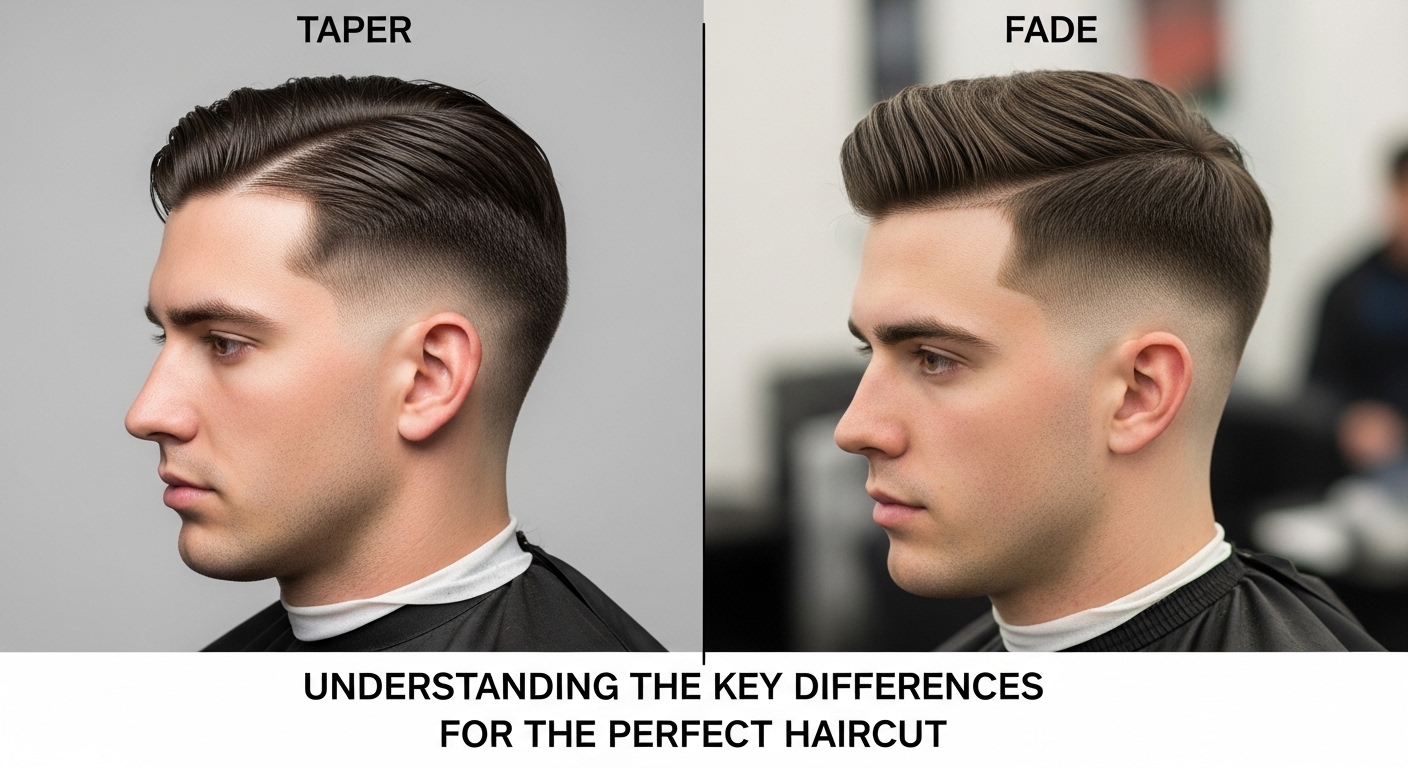
A taper haircut is a style where the hair gradually shortens as it moves down the sides and back of the head. The transition is subtle and usually limited to the neckline and sideburn areas. Unlike more dramatic cuts, a taper maintains noticeable length on the sides while creating a clean and polished finish. This style works well in professional settings because it looks neat without appearing too bold. In the taper vs fade comparison, the taper is often viewed as the more conservative option, offering structure while preserving natural hair volume and shape.
What Is a Fade Haircut?
A fade haircut features a more pronounced transition from longer hair at the top to very short or even skin-level hair near the bottom. The blending is more dramatic and typically extends higher up the sides compared to a taper. There are several types of fades, including low, mid, and high variations, each defined by how high the fading begins. When discussing taper vs fade, the fade stands out for its sharp, modern appeal. It creates strong contrast and highlights the hairstyle on top, making it a popular choice among trend-conscious individuals.
Visual Differences Between Taper and Fade
The most noticeable difference in the taper vs fade debate lies in the level of contrast and blending. A taper gradually reduces length in a subtle manner, primarily around the edges, while a fade creates a seamless transition from longer hair to extremely short or shaved sections. Fades often expose more scalp, especially in high or skin variations. Tapers, on the other hand, maintain a fuller look around the sides. These visual distinctions influence the overall impression of the haircut, with tapers appearing classic and fades offering a sharper, more fashion-forward statement.
Suitability for Different Face Shapes
When choosing between taper vs fade, face shape plays an important role. A taper haircut complements most face shapes because it preserves balanced proportions and does not dramatically alter the silhouette. It works especially well for oval and square faces. A fade can add height and definition, making it ideal for round faces that benefit from sharper angles. High fades may elongate the appearance of the face, while low fades provide a softer contour. Understanding how each style interacts with facial structure ensures a flattering and harmonious result.
Maintenance and Grooming Requirements
Maintenance is another key consideration in the taper vs fade comparison. Taper haircuts generally require less frequent touch-ups because the gradual blending grows out naturally. This makes them convenient for individuals with busy schedules. Fades, especially skin fades, demand more regular barber visits to maintain their crisp and clean appearance. As the hair grows, the sharp contrast can quickly lose definition. Choosing between the two often depends on how much time and effort you are willing to invest in upkeep to keep the haircut looking fresh and intentional.
Styling Flexibility and Versatility
Both tapers and fades offer styling flexibility, but they influence the final look differently. A taper supports a wide range of hairstyles, from classic side parts to textured crops, without dominating the overall design. It blends smoothly with both short and medium-length hair on top. In the taper vs fade discussion, fades often enhance bold hairstyles by drawing attention to volume and texture above. The clean sides create contrast that highlights pompadours, quiffs, or curly tops. Your preferred styling routine and desired visual impact will guide your choice between these options.
Professional and Casual Settings
The context in which you wear your haircut matters when deciding taper vs fade. A taper is widely accepted in corporate and formal environments due to its understated and refined appearance. It projects professionalism while maintaining modern style. A fade, depending on its intensity, may appear more fashion-oriented and expressive. Low fades can still suit office settings, while high or skin fades lean toward casual or creative environments. Considering your workplace culture and social lifestyle helps ensure your haircut aligns with expectations and personal branding.
Hair Texture and Growth Patterns
Hair texture and growth patterns significantly influence how a taper or fade will look. Thick or coarse hair often responds well to fades because the contrast enhances natural density. Fine hair may benefit from a taper, which preserves volume and avoids exposing too much scalp. Curly hair can look striking with a fade that emphasizes texture on top, while straight hair adapts easily to both styles. In the taper vs fade decision, consulting a skilled barber ensures the cut is tailored to your unique hair characteristics for optimal balance and structure.
Communicating with Your Barber
Clear communication is essential when requesting either style. When discussing taper vs fade with your barber, specify the level of blending, the desired length on top, and how high the transition should start. Bringing reference photos can reduce misunderstandings and ensure expectations are aligned. Ask about maintenance frequency and suitable styling products to maintain the look. Professional guidance helps refine your choice based on hair type, face shape, and lifestyle. An informed conversation leads to a haircut that matches your vision while remaining practical and easy to manage.
Conclusion
The choice between taper vs fade depends on personal style, maintenance preferences, and the impression you want to create. A taper offers a subtle, classic finish that suits professional settings and requires minimal upkeep. A fade delivers bold contrast and modern appeal, highlighting texture and shape on top. Both styles can be tailored to different face shapes and hair types, making them versatile options in contemporary grooming. By understanding their differences and considering your lifestyle, you can confidently select a haircut that enhances your appearance and reflects your individuality.