
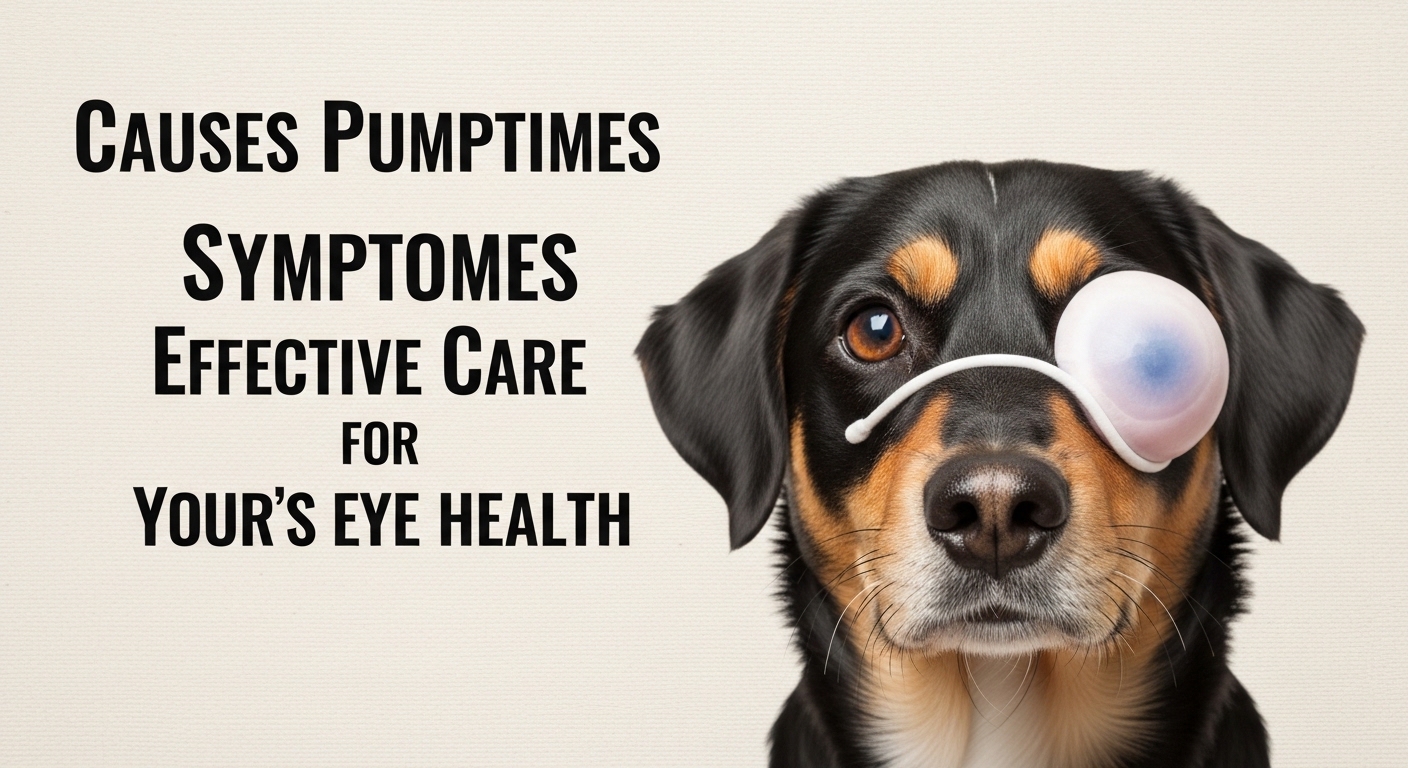
Dog puffy eyes can be concerning for any pet owner, especially when the swelling appears suddenly or worsens over time. A dog’s eyes are sensitive and can react quickly to various internal and external factors. While mild puffiness may resolve on its own, persistent or severe swelling often indicates an underlying issue that needs attention. Understanding the causes and recognizing early signs can help protect your pet’s comfort and vision. A clear and informative guide to dog puffy eyes, helping owners make informed decisions about care, prevention, and when to seek professional help.
What Are Dog Puffy Eyes
Dog puffy eyes refer to visible swelling around the eye area, which can affect one or both eyes. This condition may involve the eyelids, surrounding tissues, or even the area beneath the eyes. The swelling can range from mild to severe and may appear suddenly or develop gradually. Dog puffy eyes are often a sign that something is irritating or affecting the eye region. While some cases are temporary and harmless, others may indicate infection or injury. Understanding what constitutes abnormal swelling helps pet owners identify when their dog’s eye condition requires attention or further evaluation.
Common Causes of Dog Puffy Eyes
There are several reasons why dog puffy eyes may occur, ranging from minor irritations to more serious health concerns. Allergic reactions are among the most common causes, often triggered by environmental factors such as pollen or dust. Insect bites or stings can also lead to sudden swelling around the eyes. Infections, including bacterial or viral conditions, may cause inflammation and discomfort. Injuries or foreign objects in the eye can result in localized swelling as well. Identifying the cause is important for proper treatment, as different conditions require different approaches to care and management.
Allergies and Their Impact on Eye Swelling
Allergies play a significant role in many cases of dog puffy eyes. Dogs can react to various allergens, including food ingredients, seasonal pollen, or household chemicals. When exposed to these triggers, the immune system responds by releasing substances that cause inflammation. This often leads to swelling around the eyes, along with redness or itching. Dog puffy eyes caused by allergies may also be accompanied by sneezing or skin irritation. Managing allergies involves identifying the source and reducing exposure. In some cases, veterinary guidance is necessary to control symptoms and prevent recurring issues.
Infections That Cause Puffy Eyes
Infections are another common reason behind dog puffy eyes and can affect the eye or surrounding tissues. Bacterial infections may cause redness, swelling, and discharge, while viral infections can lead to similar symptoms. In some cases, fungal infections may also contribute to eye inflammation. Dog puffy eyes resulting from infections often require medical treatment to prevent complications. If left untreated, infections can worsen and potentially affect vision. Early diagnosis and proper care are essential to ensure recovery. Pet owners should monitor for additional signs such as unusual discharge or changes in behavior.
Injuries and Physical Irritation
Physical injuries can lead to dog puffy eyes, especially if the eye area has been scratched, bumped, or exposed to foreign objects. Dogs may accidentally injure their eyes during play or outdoor activities. Dust, debris, or small particles can also irritate the eye, causing swelling as a natural protective response. Dog puffy eyes caused by injury may be accompanied by squinting or sensitivity to light. Prompt attention is important to prevent further damage. Gently examining the area and seeking veterinary advice when needed can help ensure proper healing and avoid long term complications.
Symptoms That Require Immediate Attention
While mild cases of dog puffy eyes may resolve quickly, certain symptoms require immediate attention. Severe swelling, persistent redness, or noticeable pain should not be ignored. If the dog is constantly rubbing its eyes or showing signs of discomfort, it may indicate a more serious issue. Discharge that is thick or unusual in color can also signal infection. Dog puffy eyes accompanied by changes in vision or behavior should be evaluated by a professional. Recognizing these warning signs helps pet owners act quickly, ensuring that their dog receives the care needed to prevent complications.
Treatment Options for Dog Puffy Eyes
Treatment for dog puffy eyes depends on the underlying cause. Mild cases may improve with simple care such as cleaning the area and reducing exposure to irritants. Allergies may require medication or dietary adjustments to manage symptoms effectively. Infections often need prescribed treatments, including eye drops or oral medication. Dog puffy eyes caused by injury may require protective measures to allow healing. It is important to follow professional guidance rather than using home remedies without proper knowledge. Appropriate treatment ensures that the condition improves safely and reduces the risk of recurrence or complications.
Preventing Eye Problems in Dogs
Preventing dog puffy eyes involves maintaining good hygiene and monitoring environmental factors. Regular grooming helps keep the eye area clean and free from irritants. Avoiding exposure to known allergens can reduce the risk of allergic reactions. Providing a safe environment minimizes the chances of injury during play. Routine health checkups also play a key role in early detection of potential issues. Dog puffy eyes can often be prevented with consistent care and attention. By taking proactive steps, pet owners can support their dog’s overall eye health and reduce the likelihood of recurring problems.
When to Visit a Veterinarian
Knowing when to visit a veterinarian is essential when dealing with dog puffy eyes. If the swelling does not improve within a short period or continues to worsen, professional evaluation is necessary. Persistent symptoms, unusual discharge, or signs of pain should not be ignored. A veterinarian can identify the exact cause and recommend appropriate treatment. Dog puffy eyes may sometimes be linked to underlying health conditions that require medical attention. Seeking timely care ensures that the issue is addressed effectively, helping to protect the dog’s comfort, health, and long term vision.
Conclusion
Dog puffy eyes can range from minor irritation to a sign of more serious health concerns. Understanding the possible causes, symptoms, and treatment options allows pet owners to respond effectively and provide proper care. Early recognition and timely action are key to preventing complications and ensuring a quick recovery. By maintaining good hygiene, monitoring changes, and seeking professional help when needed, owners can protect their dog’s eye health. With the right approach, most cases of dog puffy eyes can be managed successfully, helping pets remain comfortable, healthy, and active in their daily lives.