
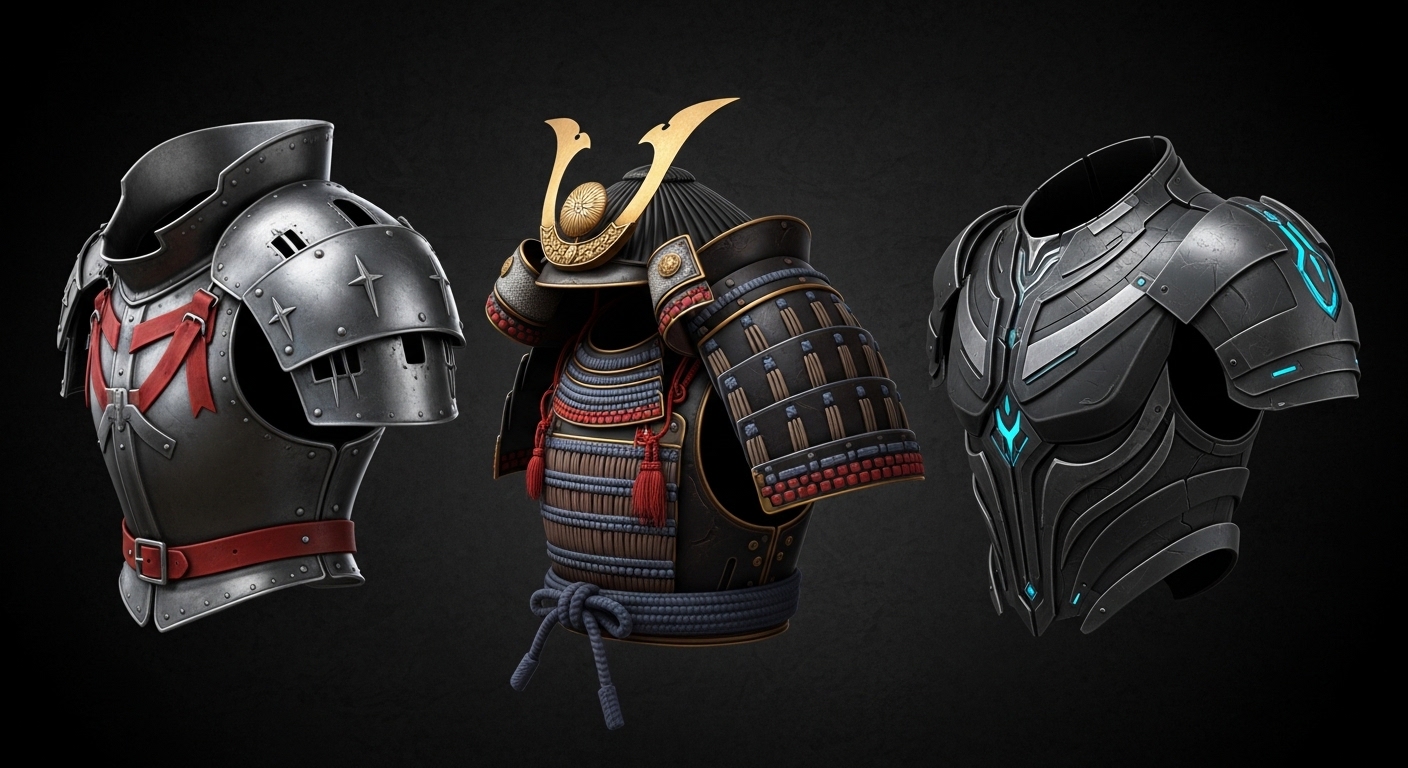
Throughout history, armor has symbolized strength, protection, and status. Among its most recognizable components are pauldrons, the protective shoulder pieces worn by warriors in battle. These striking elements were not only functional but also visually impressive, often reflecting rank and craftsmanship. Today, pauldrons continue to capture attention in historical studies, reenactments, and modern entertainment. From medieval battlefields to contemporary costume design, their influence remains strong. Understanding the origins, construction, and evolution of pauldrons offers valuable insight into military innovation and cultural expression across centuries.
The Historical Origins of Pauldrons
Pauldrons emerged during the late medieval period as part of the evolving design of plate armor. As warfare advanced and weapons became more powerful, protecting vulnerable body areas became essential. Shoulders were particularly exposed during combat, leading armorers to develop reinforced plates that could deflect blows from swords and axes. Early pauldrons were relatively simple, designed primarily for defense rather than decoration. Over time, their structure became more sophisticated, incorporating overlapping plates for improved flexibility. These shoulder defenses became a defining feature of full plate armor worn by knights and heavily armed soldiers across Europe.
Functional Design and Protective Purpose
The primary function of pauldrons was to shield the shoulder joint and upper arm without restricting movement. To achieve this balance, armorers crafted them with articulated segments that allowed the wearer to raise and rotate the arms. The curved shape helped deflect strikes away from the body, reducing the risk of injury. Well-fitted pauldrons distributed weight evenly across the torso, preventing strain during prolonged battles. Their design demonstrated a deep understanding of both anatomy and combat dynamics. By combining flexibility with strong metal construction, pauldrons provided effective protection while maintaining mobility on the battlefield.
Craftsmanship and Materials Used
Creating pauldrons required exceptional skill and attention to detail. Medieval armorers typically used steel or iron, carefully shaping and hammering the metal to achieve both durability and aesthetic appeal. The crafting process involved heating, forging, and polishing to produce smooth surfaces capable of resisting damage. Decorative engravings or embossing were sometimes added to reflect the status of the wearer. High-ranking knights often commissioned customized pauldrons that displayed family crests or intricate patterns. This combination of protection and artistry elevated pauldrons beyond simple equipment, turning them into symbols of prestige and craftsmanship.
Evolution Through Different Eras
As military technology evolved, so did the design of pauldrons. During the Renaissance, armor became more refined and ornate, reflecting shifts in warfare and cultural taste. Larger and more elaborate shoulder pieces appeared, sometimes extending outward to create a dramatic silhouette. However, the rise of firearms gradually reduced the practicality of heavy plate armor. By the seventeenth century, full suits of armor, including pauldrons, became less common on battlefields. Despite their decline in military use, these shoulder defenses remained influential in ceremonial attire and historical reenactments, preserving their legacy for future generations.
Pauldrons in Ceremonial and Symbolic Roles
Even after their military function diminished, pauldrons continued to appear in ceremonial contexts. Royal guards, parade uniforms, and symbolic armor often featured stylized shoulder pieces inspired by medieval designs. These decorative elements conveyed authority, strength, and tradition. In some cultures, ceremonial armor retained pauldrons as a reminder of historical valor and national heritage. Their dramatic appearance made them ideal for events emphasizing pageantry and honor. Through ceremonial use, pauldrons transitioned from practical battlefield equipment to powerful visual symbols representing courage, leadership, and historical continuity.
Influence on Modern Entertainment and Media
Pauldrons have experienced a strong revival in modern entertainment. Films, television series, and video games frequently depict warriors wearing elaborate shoulder armor inspired by historical designs. Fantasy genres often exaggerate the size and detail of pauldrons to enhance dramatic effect. These adaptations blend historical accuracy with creative imagination, making them visually striking. Costume designers draw inspiration from medieval armor while incorporating modern materials for comfort and mobility. The continued popularity of pauldrons in entertainment highlights their enduring appeal as icons of strength and heroism across cultures and generations.
Pauldrons in Cosplay and Reenactment
In recent years, cosplay and historical reenactment communities have embraced pauldrons as essential costume components. Enthusiasts carefully research historical patterns or fictional designs to recreate authentic or imaginative shoulder armor. Materials such as lightweight foam, thermoplastics, and aluminum offer practical alternatives to heavy steel. Attention to detail ensures that the final product captures both aesthetic impact and functional wearability. For reenactors, accurate pauldrons contribute to immersive historical presentations. For cosplayers, bold shoulder armor enhances character portrayal. These creative communities demonstrate how traditional designs can adapt to modern craftsmanship and artistic expression.
Comfort and Mobility Considerations Today
Modern adaptations of pauldrons focus on balancing appearance with comfort. Unlike historical armor intended for combat, contemporary versions are often worn for extended periods at events or conventions. Designers prioritize lightweight construction and adjustable fittings to prevent discomfort. Padding and flexible attachments improve movement and reduce strain on the shoulders. Advances in materials technology allow creators to replicate metallic finishes without excessive weight. These innovations ensure that pauldrons remain practical for today’s uses while preserving their iconic shape. Comfort-focused design has helped sustain their popularity in recreational and creative contexts.
The Lasting Cultural Significance of Pauldrons
Pauldrons represent more than protective gear; they symbolize resilience and human ingenuity. Their development reflects centuries of adaptation to changing combat techniques and cultural values. Even as practical armor faded from everyday use, the image of shoulder armor endured in art, literature, and storytelling. This lasting presence underscores the universal fascination with warriors and heroism. By studying pauldrons, we gain insight into the craftsmanship, strategy, and symbolism of past societies. Their continued relevance in modern media and creative communities demonstrates how historical artifacts can inspire contemporary imagination.
Conclusion
Pauldrons stand as a remarkable example of functional design combined with artistic expression. From medieval battlefields to modern entertainment and cosplay, they have maintained a powerful presence in cultural memory. Their evolution reflects changes in warfare, technology, and aesthetic preferences over centuries. Today, pauldrons continue to capture interest not only as historical artifacts but also as symbols of strength and creativity. By appreciating their history and ongoing influence, we recognize the enduring legacy of this iconic shoulder armor in shaping both past and present narratives.