
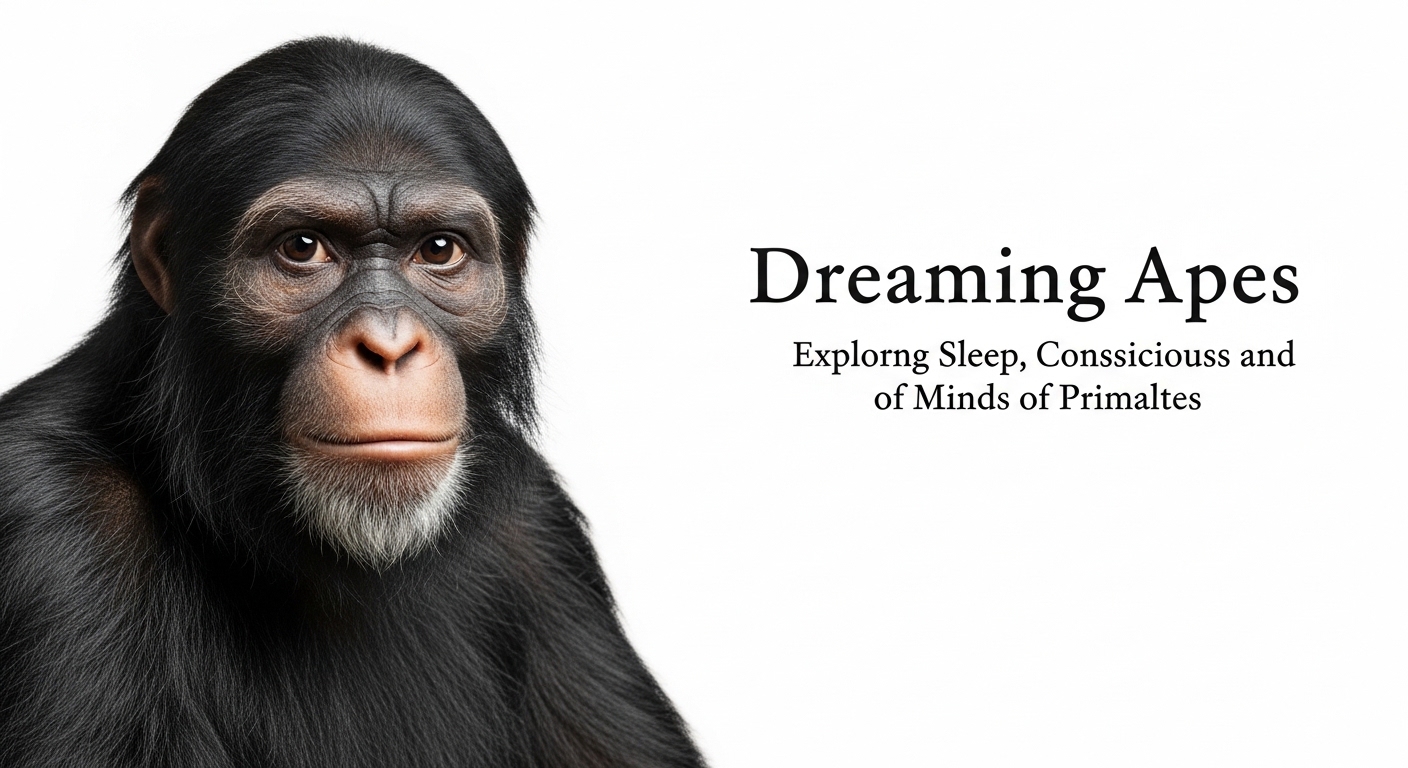
The idea of dreaming apes invites curiosity about how closely human experiences are shared with other primates. Sleep is a universal biological process, but dreaming adds a deeper layer of mystery to it. Scientists and researchers have long studied animal behavior to understand whether non-human primates experience dreams similar to humans. Observing apes during sleep has revealed fascinating insights into brain activity, emotional processing, and memory formation. By exploring dreaming apes, we gain a better understanding of the connection between humans and animals, as well as the evolution of consciousness and cognitive abilities.
Do Apes Really Dream During Sleep
Research suggests that apes do experience forms of dreaming, much like humans. During sleep, especially in the rapid eye movement phase, their brains show activity patterns similar to those seen in human dreaming. This stage is associated with vivid mental imagery and emotional processing. Observations of chimpanzees and other primates show movements, facial expressions, and sounds during sleep, indicating possible dream states. While we cannot directly ask apes about their dreams, scientific evidence supports the idea that dreaming apes experience internal mental activity that may resemble human dreaming in certain ways.
Understanding Sleep Cycles in Apes
Dreaming apes can only be understood by examining their sleep cycles. Like humans, apes go through different stages of sleep, including light sleep, deep sleep, and rapid eye movement sleep. Each stage plays a role in physical restoration and mental processing. The presence of REM sleep is particularly important because it is closely linked to dreaming. Studies using brain monitoring techniques show that apes spend a portion of their sleep in this stage, suggesting that they may have complex mental experiences while asleep. This similarity strengthens the connection between human and ape sleep behavior.
Brain Activity and Dream Patterns in Apes
The brains of dreaming apes show remarkable similarities to human brain activity during sleep. Neural patterns recorded in primates indicate that their brains remain active even while resting. This activity is believed to support memory consolidation and emotional regulation. During REM sleep, the brain processes experiences from the day, which may appear as dreams. In apes, this could involve recalling social interactions, environmental challenges, or learned behaviors. The presence of such brain activity suggests that dreaming apes may experience a form of mental replay, helping them adapt and learn more effectively in their natural environments.
Emotional Processing in Dreaming Apes
Dreaming apes may also use sleep as a way to process emotions. Apes are highly social animals with complex relationships, and their daily lives involve various emotional experiences. During sleep, their brains may revisit these experiences, helping them manage stress and reinforce social bonds. Observations of sleeping apes sometimes reveal expressions that resemble emotional reactions, such as twitching or vocalizations. These signs suggest that their dreams could involve emotional content. Understanding this aspect of dreaming apes highlights the depth of their cognitive and emotional capabilities, bringing them closer to human-like mental processes.
Evolutionary Significance of Dreaming in Primates
The concept of dreaming apes provides valuable insights into the evolution of the human mind. Dreaming may have developed as a way to enhance survival by improving memory, problem-solving, and emotional resilience. Since apes share a close evolutionary relationship with humans, their ability to dream suggests that this trait existed in a common ancestor. Studying dreaming apes helps researchers trace the origins of consciousness and cognitive complexity. It also highlights how certain mental processes have been preserved and refined over millions of years, contributing to the advanced thinking abilities seen in humans today.
Observing Dreaming Behavior in Apes
Scientists study dreaming apes through careful observation and advanced technology. In controlled environments, researchers use tools like brain imaging and motion tracking to analyze sleep patterns. In the wild, behavioral observations provide clues about how apes sleep and respond during rest. Movements such as limb twitching, facial changes, and soft vocal sounds are often interpreted as signs of dreaming. While these methods cannot fully reveal the content of ape dreams, they offer strong evidence that dreaming is a real and meaningful part of their sleep cycle and overall behavior.
Differences Between Human and Ape Dreams
Although dreaming apes share similarities with human dreaming, there are likely differences in complexity and content. Human dreams often involve language, abstract thinking, and detailed narratives. Apes, on the other hand, may experience simpler dream scenarios based on sensory and emotional experiences. Their dreams might focus more on immediate survival needs, social interactions, or environmental awareness. Despite these differences, the underlying purpose of dreaming may be similar across species. Both humans and apes use dreams as a way to process experiences, strengthen memory, and maintain mental balance.
Role of Environment in Ape Sleep and Dreams
The environment plays a significant role in shaping the sleep patterns of dreaming apes. In the wild, apes build nests in trees or safe locations to rest, ensuring protection from predators. This sense of safety allows them to enter deeper stages of sleep, including REM sleep where dreaming occurs. Environmental factors such as temperature, noise, and social dynamics can influence the quality of their sleep. In captivity, providing a comfortable and secure environment is essential for maintaining natural sleep behaviors. A stable environment supports healthy dreaming patterns and overall well-being in apes.
What Dreaming Apes Teach Us About Consciousness
Dreaming apes offer a unique perspective on the nature of consciousness and awareness. By studying their sleep and mental activity, researchers gain insights into how complex thought processes develop. The ability to dream suggests a level of inner experience that goes beyond basic survival instincts. It indicates that apes possess a form of awareness that allows them to process memories and emotions. This understanding challenges traditional views of human uniqueness and highlights the continuity between human and animal minds. Dreaming apes remind us that consciousness exists on a spectrum across different species.
Conclusion
The study of dreaming apes reveals fascinating connections between human and primate minds. From similar sleep cycles to shared brain activity patterns, apes demonstrate many characteristics associated with dreaming. These findings deepen our understanding of evolution, cognition, and emotional processing. While differences exist, the presence of dreams in apes highlights the complexity of their inner world. By continuing to explore this topic, we gain valuable insights into the origins of consciousness and the shared traits that connect humans with the animal kingdom.