
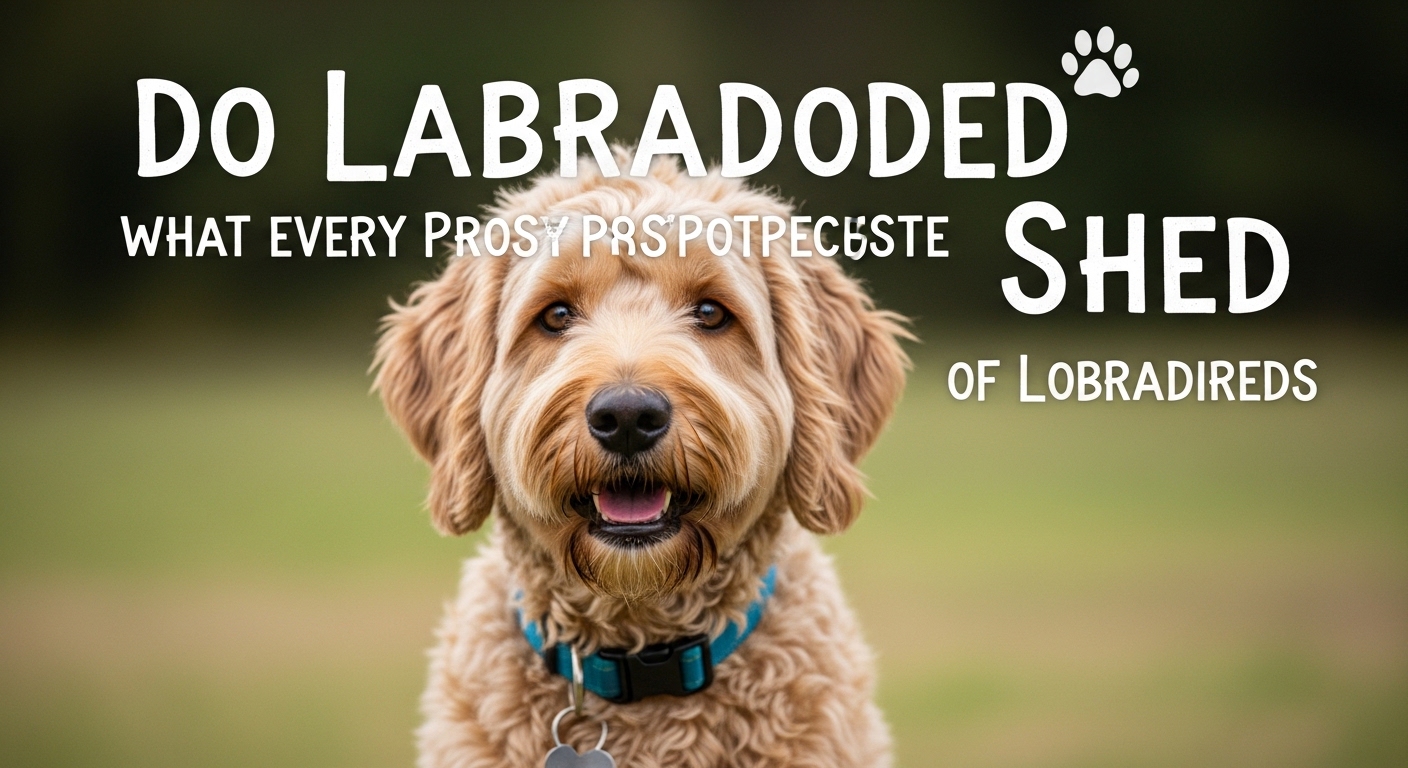
Labradoodles are often praised for their friendly nature and hypoallergenic appeal, but many people still wonder, do Labradoodles shed? This question is important for anyone considering this popular mixed breed, especially those with allergies or a preference for low-maintenance pets. While Labradoodles are commonly described as low-shedding, the reality is more nuanced. Their shedding depends largely on genetics, coat type, and grooming habits. Understanding how these factors influence shedding can help you set realistic expectations and prepare for proper care. Whether you are drawn to the breed for its playful personality or its reputation for being allergy-friendly, knowing the truth about shedding will make the decision clearer and ensure a smoother experience as a dog owner.
Understanding Labradoodle Coat Types
One of the main reasons the question do Labradoodles shed remains common is that their coats vary significantly. Labradoodles can inherit traits from both the Labrador Retriever and the Poodle, resulting in several coat types. Some Labradoodles have wavy or curly coats that resemble the Poodle’s fur, which tends to trap loose hair and reduce visible shedding. Others may have straighter coats that are closer to the Labrador’s double coat, which can shed more noticeably. The variation in coat types means that two Labradoodles from the same litter can shed differently. For potential owners, it is important to consider coat type when evaluating shedding expectations. While many Labradoodles are low-shedding, it is not guaranteed, and the individual dog’s genetics will play a major role in how much hair is released.
Genetics and Shedding Patterns
Genetics is a key factor in determining whether Labradoodles shed, and it is not always easy to predict. If a Labradoodle inherits more Poodle genes, the coat is more likely to be curly and low-shedding. However, if the dog inherits more traits from the Labrador side, shedding can be more noticeable, especially during seasonal coat changes. This genetic variability is why some Labradoodles are truly low-shedding while others require more frequent cleaning and grooming. It is also important to remember that even low-shedding Labradoodles still lose some hair, but it may be less visible. Prospective owners should ask breeders about the coat types of the parents and the litter’s shedding history. This can provide a better understanding of what to expect, although individual differences can still occur.
Grooming and Its Impact on Shedding
Grooming plays a significant role in managing shedding in Labradoodles. Regular brushing helps remove loose hair and prevents it from accumulating on furniture and clothing. For Labradoodles with curly or wavy coats, brushing also helps prevent matting, which can be uncomfortable for the dog and harder to manage over time. In addition to brushing, routine baths and trimming can support coat health and reduce shedding. However, over-bathing or using harsh shampoos can dry out the skin and increase hair loss. A balanced grooming routine that includes gentle products and consistent brushing can make a noticeable difference. While grooming cannot completely eliminate shedding, it can control it and keep the coat healthier. For owners who want a cleaner home and a more manageable coat, grooming is an essential part of Labradoodle care.
Seasonal Shedding and Environmental Factors
Even Labradoodles that are considered low-shedding may experience seasonal shedding or changes in hair loss based on environmental factors. Dogs often shed more when the seasons change, as they adjust their coat to the temperature. Indoor heating or air conditioning can also affect shedding patterns, as it changes the environment compared to natural outdoor conditions. Stress, diet, and overall health can influence shedding as well. A poor diet or underlying skin condition can increase hair loss, so maintaining good nutrition and regular veterinary checkups is important. While Labradoodles are generally known for being easier on allergy sufferers, owners should still be prepared for some shedding, especially during seasonal transitions. Understanding these factors helps set realistic expectations and ensures that the dog receives proper care.
Managing Allergies and Shedding Expectations
For people with allergies, the question do Labradoodles shed is closely linked to whether the dog will trigger symptoms. While Labradoodles are often considered hypoallergenic, no dog is completely allergy-free. Allergies are typically caused by dander and saliva proteins, not just hair. A low-shedding coat can help reduce the spread of dander around the home, but it does not eliminate it entirely. Regular grooming, cleaning, and proper ventilation can help manage allergens. Potential owners with allergies should spend time with a Labradoodle before committing to ensure they do not react. Understanding that shedding varies by individual dog and coat type helps set realistic expectations. With proper care and management, many allergy sufferers find that Labradoodles are a suitable and enjoyable choice.
Conclusion
Labradoodles are often described as low-shedding, but the truth is that shedding varies based on genetics, coat type, grooming, and environmental factors. While many Labradoodles do shed less than other breeds, they still require regular care to manage loose hair and maintain coat health. By understanding the factors that influence shedding and adopting a consistent grooming routine, owners can enjoy the breed’s friendly nature while keeping their home clean. For those with allergies, it is important to remember that no dog is completely hypoallergenic, but Labradoodles can be a good option when managed properly. Ultimately, knowing the realities of shedding helps prospective owners make informed decisions and prepares them for a rewarding experience with this popular breed.