
Aquarium enthusiasts around the world are always searching for fish that are both attractive and practical. The bristlenose pleco has become a favorite choice for many freshwater hobbyists because of its unique appearance and helpful role in maintaining tank cleanliness. Known for its distinctive facial bristles and hardy nature, this small catfish species offers both visual interest and functional benefits. Whether you are a beginner setting up your first aquarium or an experienced aquarist looking to diversify your tank, understanding the needs and characteristics of the bristlenose pleco is essential. With proper care and attention, this fascinating fish can thrive and contribute to a balanced aquatic environment.
Unique Appearance and Characteristics
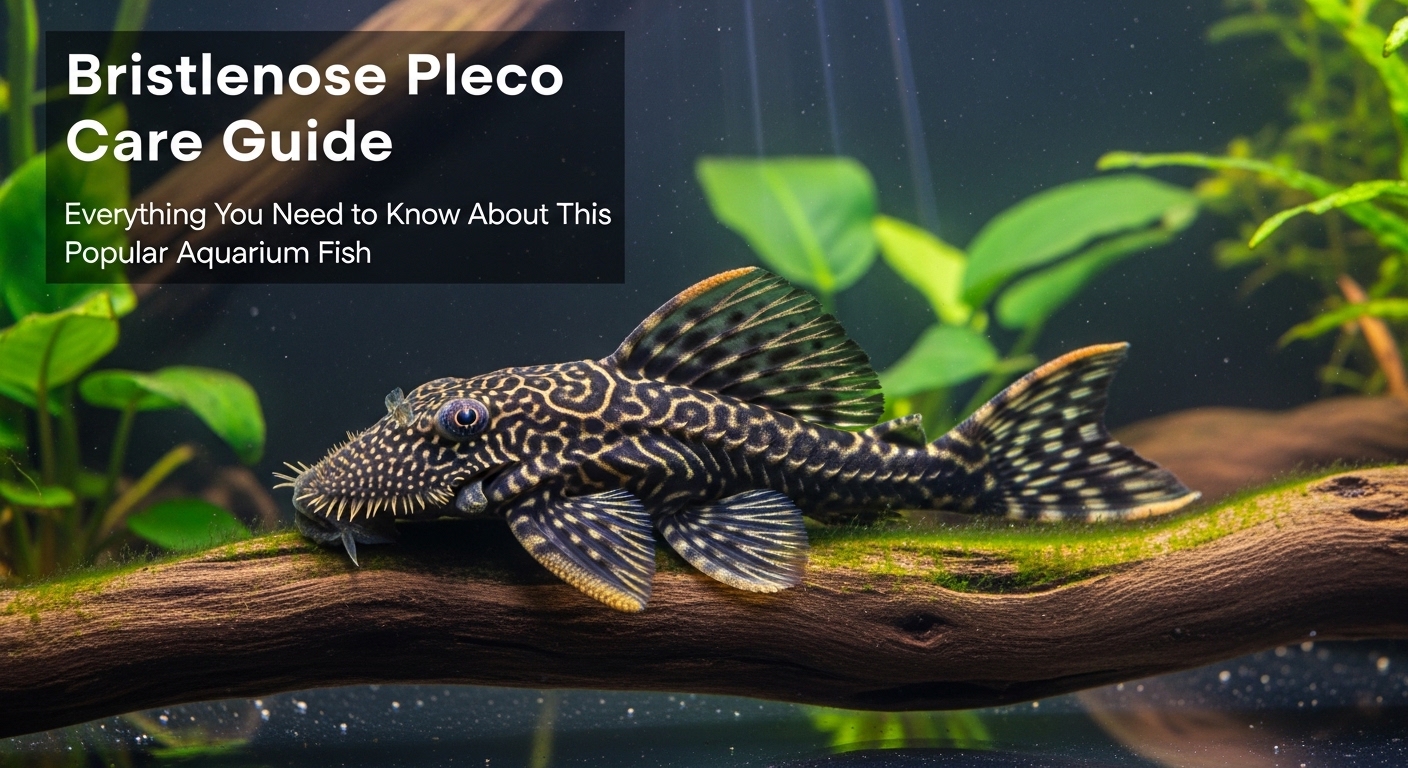
The bristlenose pleco stands out due to its unusual facial features, particularly the tentacle-like bristles that grow around the nose of adult males. These bristles are less pronounced in females, making it relatively easy to distinguish between genders. Typically growing to about four to six inches in length, the bristlenose pleco remains smaller than many other pleco species, which makes it suitable for medium-sized aquariums. Its body is covered in armored plates, providing natural protection and contributing to its prehistoric appearance. Color variations range from dark brown and black to albino and calico patterns, offering hobbyists aesthetic variety. This species is primarily nocturnal, meaning it is most active during the evening hours. Its calm temperament and compatibility with many community fish further enhance its popularity among aquarium keepers worldwide.
Ideal Tank Setup and Environment
Creating the right habitat is crucial for the health and longevity of a bristlenose pleco. A tank size of at least 20 to 30 gallons is generally recommended to provide adequate swimming space and territory. Stable water conditions are important, with temperatures typically ranging between 72 and 80 degrees Fahrenheit. The bristlenose pleco prefers slightly acidic to neutral water, along with moderate filtration to maintain cleanliness. Including driftwood in the aquarium is highly beneficial, as this species often grazes on the wood surface and derives digestive benefits from it. Smooth rocks, caves, and hiding spots help replicate its natural environment and reduce stress. Proper lighting should be moderate, since the fish tends to avoid bright illumination. Maintaining consistent water quality through regular testing and partial water changes ensures a healthy and comfortable living space.
Feeding and Nutritional Requirements
Although the bristlenose pleco is widely known as an algae eater, relying solely on algae is not sufficient for its long-term health. A balanced diet is essential to ensure proper growth and vitality. In addition to naturally occurring algae, high-quality sinking pellets designed for bottom feeders provide essential nutrients. Fresh vegetables such as zucchini, cucumber, spinach, and peas can also be offered several times per week. These plant-based foods support digestion and overall well-being. It is important to remove uneaten vegetables after a day to maintain water quality. While the bristlenose pleco primarily consumes plant matter, occasional protein-rich foods can be introduced in small quantities. Providing a varied diet helps prevent nutritional deficiencies and supports the fish’s immune system, contributing to a longer and healthier life in captivity.
Compatibility with Other Fish
The bristlenose pleco is generally peaceful and well-suited for community aquariums. Its calm behavior allows it to coexist with a wide range of freshwater species, including tetras, rasboras, gouramis, and peaceful cichlids. Because it spends most of its time near the bottom of the tank, it rarely competes directly with mid-level swimmers for territory. However, it is advisable to avoid housing it with aggressive or overly territorial fish that may cause stress or injury. When keeping multiple bristlenose plecos together, providing sufficient hiding spaces can help prevent minor territorial disputes. Their gentle nature and algae-eating habits make them valuable additions to balanced community tanks. Proper planning and compatible tank mates ensure a harmonious environment where all species can thrive without unnecessary conflict.
Breeding Behavior and Reproduction
Breeding a bristlenose pleco in captivity is achievable with the right conditions. Males typically claim a cave or sheltered area as their breeding territory and attract females to lay eggs inside. After spawning, the male takes responsibility for guarding and fanning the eggs until they hatch. This attentive parental behavior increases the survival rate of the offspring. Maintaining stable water parameters and providing suitable breeding caves are essential for successful reproduction. Once the fry hatch, they initially feed on their yolk sacs before transitioning to finely crushed vegetable matter or specialized fry food. Regular water maintenance is particularly important during this stage to ensure healthy development. With proper care, breeding bristlenose plecos can be a rewarding experience for dedicated aquarists.
Common Health Concerns and Preventive Care
Like all aquarium fish, the bristlenose pleco can be susceptible to certain health issues if water quality is poor. Common problems include fungal infections, bacterial diseases, and stress-related conditions. Preventive care begins with maintaining clean water, stable temperature, and balanced nutrition. Regular observation allows early detection of unusual behavior, such as lethargy or changes in appetite. Quarantining new fish before introducing them to the main tank helps reduce the risk of disease transmission. Providing a stress-free environment with adequate hiding spaces also strengthens the fish’s immune response. By prioritizing preventive measures and attentive care, aquarists can minimize health risks and ensure that their bristlenose pleco remains active and vibrant.
Conclusion
The bristlenose pleco is a versatile and appealing addition to freshwater aquariums. Its distinctive appearance, manageable size, and helpful algae-eating habits make it a favorite among hobbyists. By providing proper tank conditions, balanced nutrition, compatible tank mates, and consistent maintenance, aquarists can enjoy the presence of this remarkable fish for many years.