
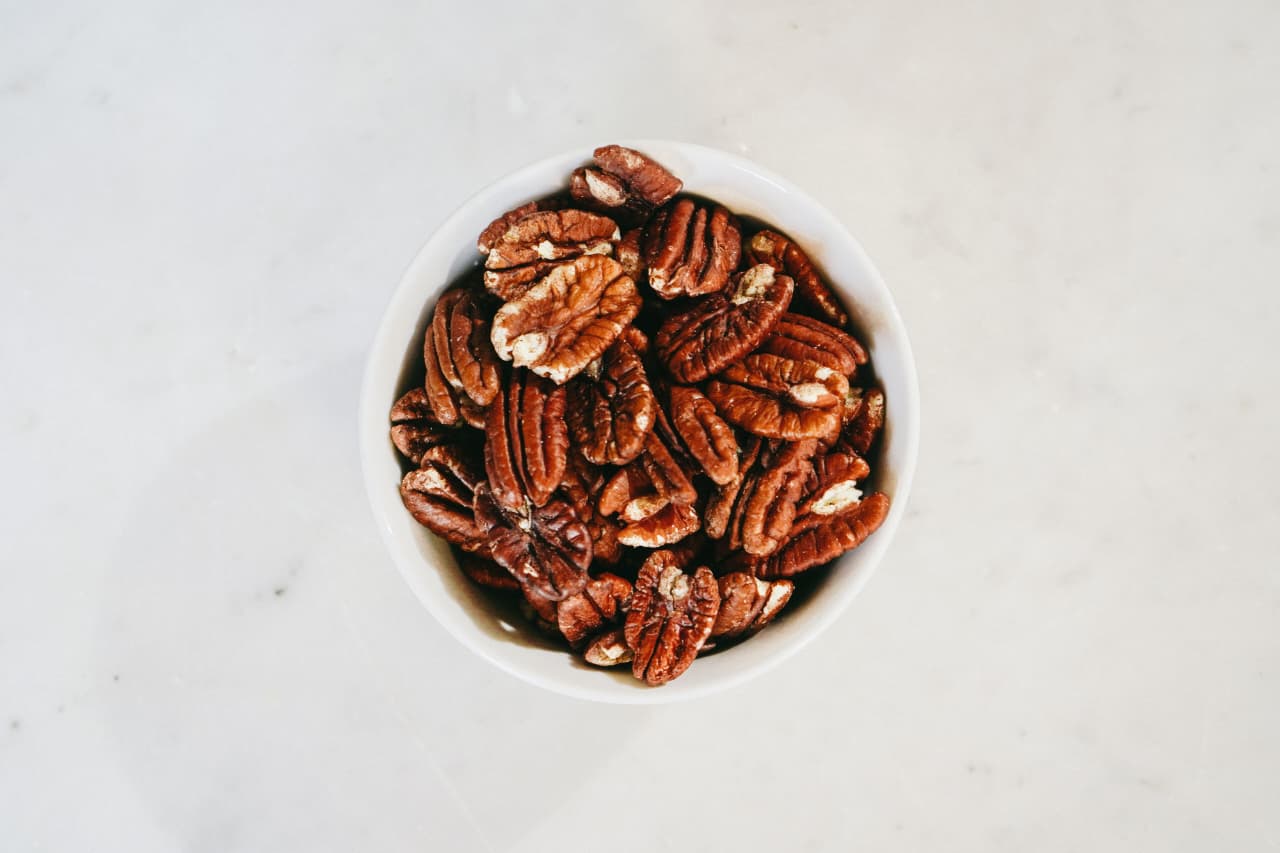
Are Pecans Healthy? Nutrition, Benefits, and Risks
Yes, pecans can be a healthy addition to a balanced diet. These buttery-tasting tree nuts provide unsaturated fats, fiber, plant-based protein, vitamins, minerals, and antioxidant compounds. Eating a small portion may support heart-healthy eating habits and help make meals or snacks more satisfying.
However, pecans are also high in calories, so portion size matters. The healthiest choice is usually plain, unsalted pecans rather than varieties coated in sugar, candy, or excess salt. Here is what to know about pecan nutrition, potential benefits, possible downsides, and practical ways to enjoy them.
Pecan Nutrition at a Glance
A typical 1-ounce serving (about 28 grams, or roughly 19 pecan halves) provides approximately:
| Nutrient | Approximate amount per 1 oz |
| Calories | about 196 |
| Total fat | about 20.4 g |
| Saturated fat | about 1.8 g |
| Carbohydrates | about 3.9 g |
| Fiber | about 2.7 g |
| Protein | about 2.6 g |
Values can vary slightly by source and serving size. Pecans also supply minerals such as manganese and copper, along with smaller amounts of other nutrients. For exact values, check a reliable food-composition database or the product label.
8 Potential Health Benefits of Pecans
1. They Provide Heart-Friendly Unsaturated Fats
Most of the fat in pecans is unsaturated fat. When unsaturated fats replace some saturated fats in an overall balanced diet, they can help support healthy cholesterol levels. Pecans are not a treatment for heart disease, but they can fit into a heart-conscious eating pattern.
2. They Contain Antioxidant Compounds
Pecans contain polyphenols and other antioxidant compounds. Antioxidants help protect cells from oxidative damage as part of the body’s normal processes. Eating a variety of plant foods—including nuts, fruit, vegetables, and whole grains—is a practical way to get different beneficial compounds.
3. They Supply Dietary Fiber
Fiber supports normal digestion and can help make meals more filling. Pecans provide some fiber, although they should be one part of a varied diet that includes vegetables, fruit, beans, and whole grains. Increase fiber-rich foods gradually and drink enough fluids.
4. They May Help Make Snacks More Satisfying
Pecans combine fat, fiber, and a little protein, which may help a snack feel satisfying. Pairing a measured portion with fruit or plain yogurt can create a balanced snack. Pecans alone do not guarantee weight loss; overall food choices, portions, and activity matter.
5. They Provide Important Minerals
Pecans are a source of manganese and copper, minerals involved in normal body functions, including metabolism and connective-tissue formation. A varied diet helps provide the range of minerals the body needs.
6. They Can Fit Into a Balanced Eating Pattern
Pecans are naturally low in sugar when eaten plain. They can add crunch and flavor to oatmeal, salads, vegetables, and yogurt without needing sweet coatings. Choose unsalted or lightly salted options if you are watching sodium intake.
7. They Offer Plant-Based Nutrients
For people who eat mostly or entirely plant-based foods, pecans can contribute unsaturated fats, minerals, fiber, and a small amount of protein. They should be combined with other protein sources, such as beans, lentils, tofu, or seeds, to meet individual nutritional needs.
8. They Are Easy to Add to Everyday Meals
A small handful can add flavor and texture to many foods. Using pecans in meals you already enjoy may make it easier to eat a wider variety of nutrient-rich foods. For everyday use, plain pecans are generally a better choice than heavily sweetened or candy-coated versions.
How Many Pecans Should You Eat a Day?
A practical starting portion is about 1 ounce (28 grams), roughly 19 pecan halves. This serving contains close to 200 calories, so measure a portion rather than eating straight from a large bag if you are monitoring calorie intake. Your ideal amount depends on your overall diet, energy needs, and health goals.
You do not need to eat pecans every day to have a healthy diet. Other nuts and seeds can also provide valuable nutrients, and variety is helpful.
Are Pecans Good for Weight Management?
Pecans can fit into a weight-management plan because their fat and fiber may help a snack feel satisfying. However, they are energy-dense, meaning a small amount provides many calories. Try portioning them into a small container and combining them with fruit or another food you enjoy. Weight change depends on overall energy intake, activity, sleep, and other individual factors—not one food alone.
Are Pecans Healthy for Your Heart?
Pecans can support a heart-healthy eating pattern when they replace snacks or ingredients high in saturated fat. Their unsaturated fats and plant compounds are potential advantages. For heart health, focus on your overall dietary pattern, including vegetables, fruit, whole grains, legumes, and appropriate protein sources. If you have high cholesterol or heart disease, follow your healthcare professional’s advice.
Possible Risks and Who Should Be Careful
Tree Nut Allergy
Pecans are tree nuts and can cause serious allergic reactions in people with a pecan or related tree-nut allergy. Avoid them if you have been advised to do so. Seek emergency medical help for symptoms of a severe allergic reaction, such as difficulty breathing or swelling of the throat.
Calories and Portion Size
Because pecans are calorie-dense, large portions can add substantial energy to your diet. A measured serving can help you enjoy them while keeping your overall intake in mind.
Salt, Sugar, and Added Ingredients
Honey-roasted, candied, chocolate-covered, and heavily salted pecans may contain added sugar or sodium. These foods can still be enjoyed according to personal preferences, but plain pecans make it easier to control added ingredients.
Digestive Sensitivity
Some people may experience digestive discomfort after eating nuts, particularly in large amounts. Try a smaller serving if you notice symptoms, and seek medical advice if problems persist.
Healthy Ways to Eat Pecans
- Add chopped pecans to oatmeal or unsweetened cereal.
- Sprinkle them over a salad with vegetables and a simple dressing.
- Mix a measured portion with fresh fruit for a snack.
- Add a few to plain yogurt.
- Use finely chopped pecans as a crunchy topping for roasted vegetables.
- Blend small amounts into homemade granola, while keeping added sugar moderate.
Pecans vs. Other Nuts: Are They the Healthiest?
There is no single nut that is healthiest for everyone. Pecans provide mostly unsaturated fats and antioxidant compounds, while almonds are known for vitamin E, walnuts provide plant-based omega-3 ALA, and pistachios offer protein and fiber. Nutrient amounts differ, and preparation matters. A mix of unsalted nuts can add variety to a balanced diet.
How to Choose and Store Pecans
Choose pecans that smell fresh and have no signs of mold or rancidity. Store them in an airtight container in a cool, dark place. Because their oils can become rancid, refrigeration can help preserve freshness, and freezing is useful for longer storage. Follow package instructions and discard pecans that smell or taste unpleasant.
Frequently Asked Questions
Are pecans healthy to eat every day?
For most people who are not allergic, a moderate portion of plain pecans can fit into a balanced diet. Portion size and the rest of your diet still matter.
How many pecans are in one serving?
A 1-ounce (28-gram) serving is roughly 19 pecan halves, though size varies.
Are pecans high in protein?
Pecans contain some protein, but they are not as protein-rich as many legumes or some other nuts. Use a variety of foods to meet protein needs.
Are pecans good for cholesterol?
Their unsaturated fats may help support healthy cholesterol levels when they replace some saturated fats in the diet. They are not a substitute for prescribed treatment.
Are raw pecans healthier than roasted pecans?
Both plain raw and dry-roasted pecans can be nutritious. Choose the option you enjoy, and check labels for added salt, sugar, or oils.
Can pecans help you lose weight?
Pecans may help make snacks satisfying, but they are calorie-dense. Weight loss depends on overall eating patterns and lifestyle rather than a single food.
Are pecans safe for everyone?
No. People with pecan or relevant tree-nut allergies should avoid them and follow medical advice.
Final Verdict: Are Pecans Healthy?
Yes—pecans can be a nutritious choice for many people. They provide unsaturated fats, fiber, minerals, and antioxidant compounds, and they can add flavor to meals and snacks. For the best everyday option, choose plain pecans, keep portions moderate, and enjoy them as part of a varied, balanced diet. People with tree-nut allergies should avoid pecans.