
Fabric glue has become an essential tool for both beginners and experienced crafters who want a simple and effective way to bond textiles without sewing. Whether you are repairing clothes, creating home décor, or working on creative DIY projects, this adhesive offers a convenient solution. It eliminates the need for complex stitching while still providing strong and flexible bonds. Understanding how fabric glue works and how to use it properly can significantly improve your results. Its features, applications, and best practices to help you achieve clean and lasting fabric projects.
What Is Fabric Glue and How It Works
Fabric glue is a specialized adhesive designed to bond textiles together while maintaining flexibility after drying. Unlike regular glue, it is formulated to penetrate fabric fibers and create a durable connection without making the material stiff. This type of glue is commonly used for clothing repairs, craft projects, and decorative designs. It works by forming a strong bond as it dries, often becoming water-resistant or washable. The effectiveness of fabric glue depends on proper application and drying time. Understanding its composition helps users choose the right product for different materials and project requirements.
Types of Fabric Glue Available
There are several types of fabric glue available, each designed for specific uses and materials. Permanent fabric glue provides strong, long-lasting bonds that can withstand washing and regular wear. Temporary fabric glue is ideal for quick fixes or positioning fabric before sewing. There are also spray adhesives and specialized formulas for delicate fabrics like silk or lace. Some products offer waterproof properties, while others focus on flexibility and softness. Choosing the right type depends on the nature of the project. Understanding these variations ensures better performance and helps achieve professional-looking results in fabric-based work.
Benefits of Using Fabric Glue
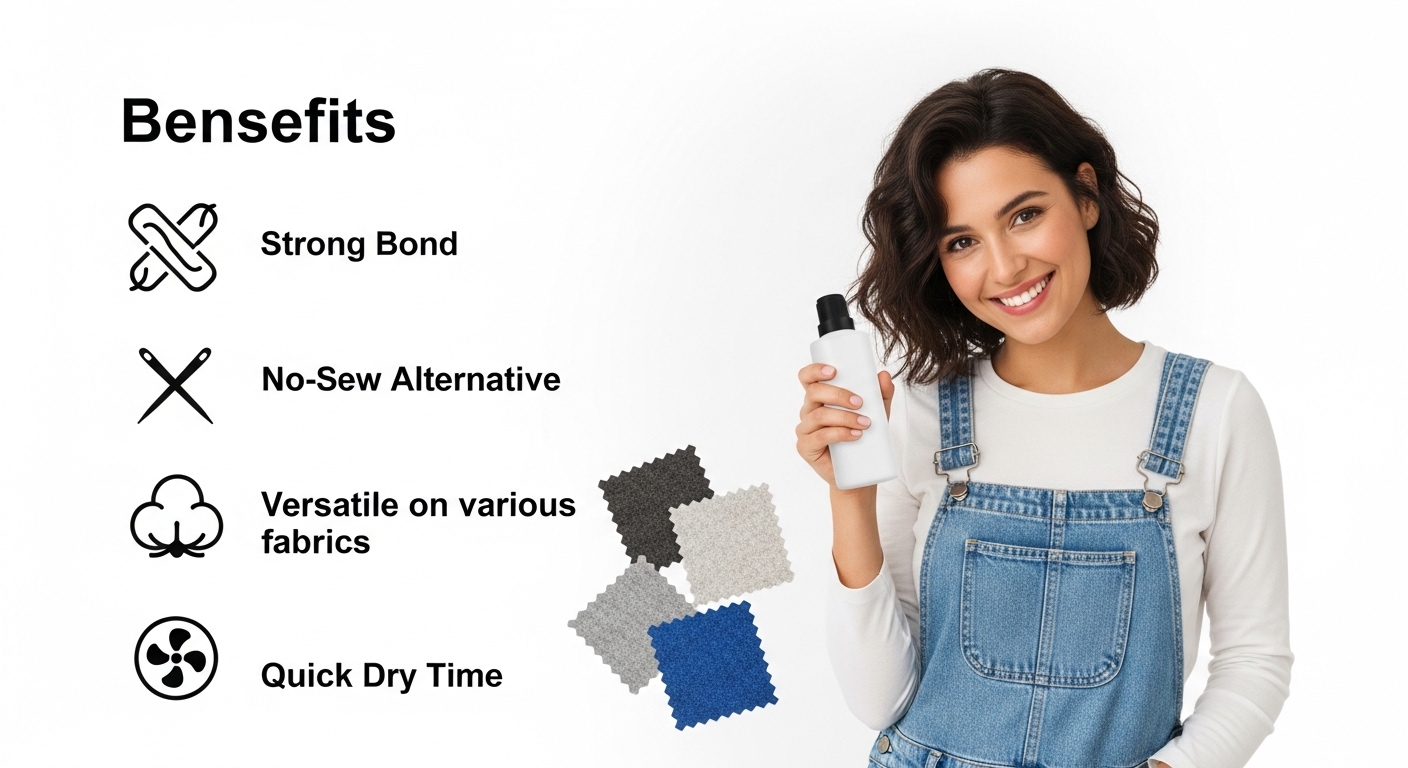
Fabric glue offers numerous advantages that make it a popular alternative to traditional sewing methods. It is easy to use, saving time and effort, especially for those who lack sewing skills. The adhesive provides a clean finish without visible stitches, enhancing the appearance of the final product. It is also versatile, suitable for various fabrics and creative applications. Many fabric glue options are washable and durable, making them practical for everyday use. This convenience allows users to complete projects quickly while maintaining quality. Its accessibility makes it a valuable tool for both small repairs and detailed crafting.
Common Uses of Fabric Glue
Fabric glue is widely used in both practical and creative applications. It is commonly applied for repairing torn clothing, hemming garments, and attaching patches. In crafting, it is useful for decorating items such as cushions, bags, and wall hangings. It is also popular in fashion design for adding embellishments like beads, sequins, and lace. Fabric glue simplifies complex projects by eliminating the need for sewing equipment. Its versatility allows users to experiment with different ideas and materials. Whether for quick fixes or artistic designs, it plays a significant role in modern textile work.
How to Apply Fabric Glue Correctly
Applying fabric glue correctly is essential for achieving strong and clean results. The surface should be clean and dry before application to ensure proper adhesion. A small, even amount of glue should be applied to avoid excess spreading or staining. Pressing the fabrics together firmly helps create a secure bond. It is important to allow sufficient drying time, as recommended by the product instructions. Avoid moving the fabric during this period to prevent weakening the bond. Careful application not only improves durability but also enhances the overall appearance of the finished project.
Tips for Long-Lasting Results
To ensure long-lasting results, it is important to use fabric glue carefully and follow best practices. Selecting the right type of adhesive for the specific fabric is crucial. Testing the glue on a small, hidden area can prevent unwanted damage or discoloration. Applying pressure during bonding and allowing adequate drying time improves strength. Washing the fabric only after the glue has fully cured helps maintain durability. Proper storage of the adhesive also preserves its effectiveness. By following these simple tips, users can achieve reliable and professional outcomes in their fabric projects.
Limitations of Fabric Glue
Despite its many advantages, fabric glue has certain limitations that users should consider. It may not be suitable for heavy-duty applications where stitching provides stronger support. Some types of fabric glue may leave visible marks if applied excessively or incorrectly. Certain fabrics may not bond well, requiring specialized adhesives or alternative methods. Additionally, repeated washing can weaken the bond over time if the glue is not designed for durability. Understanding these limitations helps users make informed decisions and choose the best approach for their projects, ensuring both functionality and appearance are maintained.
Fabric Glue Versus Traditional Sewing
Fabric glue and traditional sewing each have their own advantages and are suitable for different situations. Fabric glue offers speed and simplicity, making it ideal for quick repairs and creative projects. Sewing, on the other hand, provides stronger and more permanent results, especially for garments that experience frequent use. The choice between the two depends on the project requirements and personal preference. In many cases, combining both methods can produce the best outcome. Understanding the strengths of each approach allows users to select the most effective technique for their specific needs.
Conclusion
Fabric glue has transformed the way people approach textile repairs and creative projects by offering a simple and effective alternative to sewing. Its versatility, ease of use, and ability to create clean finishes make it a valuable tool for a wide range of applications. While it may not replace traditional methods entirely, it provides a practical solution for many everyday needs. By understanding its types, uses, and proper application techniques, users can achieve reliable and professional results. Fabric glue continues to play an important role in modern crafting and fabric care, making projects more accessible and efficient.