
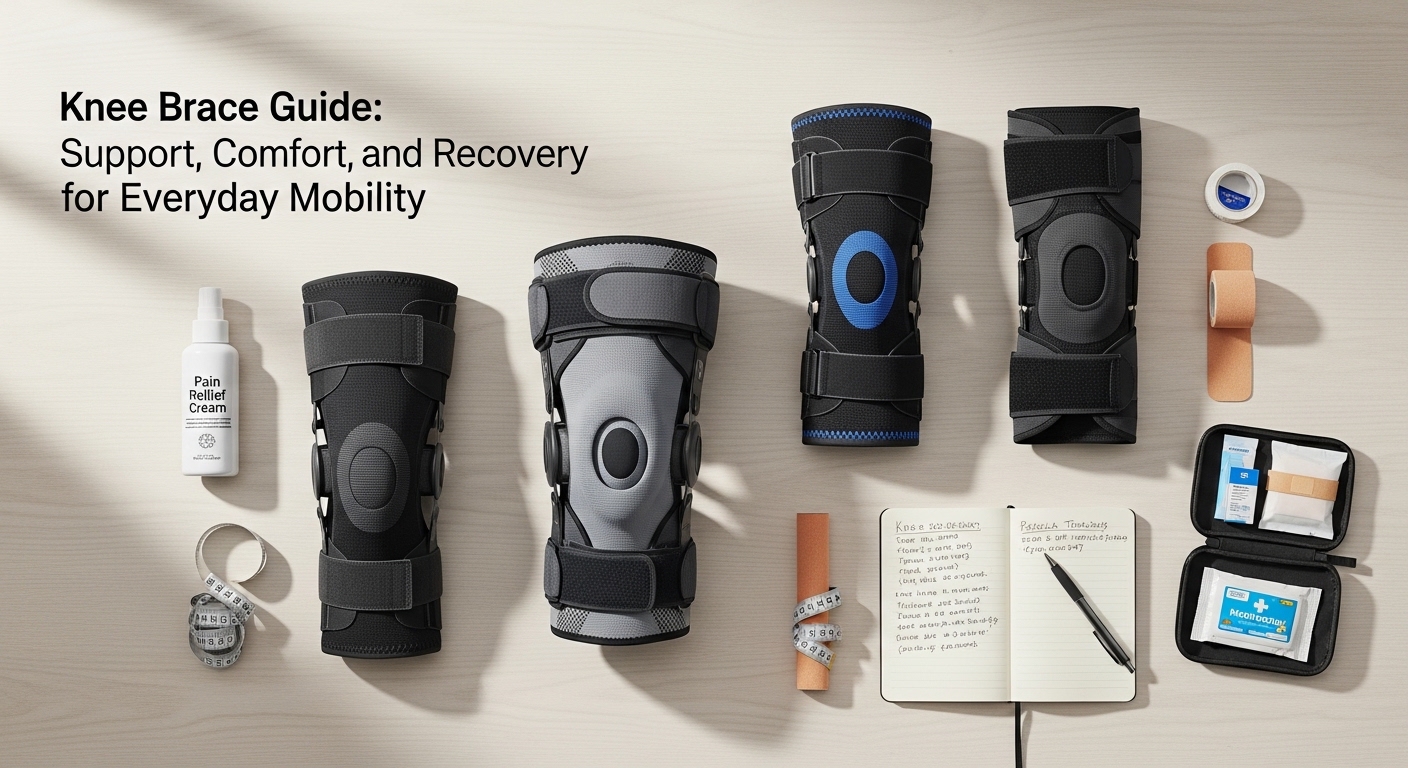
A knee brace is a widely used support device designed to protect, stabilize, and relieve pressure on the knee joint. Whether used for injury recovery, chronic pain management, or preventive care during physical activity, it plays an important role in maintaining mobility. Many people experience knee discomfort due to aging, sports injuries, or daily strain, making proper support essential. Choosing the right knee brace can improve comfort and reduce the risk of further damage. Understanding its purpose, types, and benefits helps individuals make informed decisions and maintain an active and healthy lifestyle with confidence.
Understanding the Purpose of a Knee Brace
A knee brace is designed to provide stability and support to the knee joint, especially when it is weak or injured. It helps control movement, reducing strain on ligaments and surrounding muscles. By limiting excessive motion, it allows the knee to heal while still maintaining functionality. People use a knee brace for various reasons, including injury recovery, arthritis management, or preventive care during physical activities. Its purpose extends beyond support, as it also improves confidence in movement. Understanding how a knee brace works helps individuals use it effectively and ensures better protection for long-term joint health.
Types of Knee Braces Available
There are several types of knee brace options available, each designed to address specific needs. Basic compression sleeves provide mild support and improve circulation, making them suitable for minor discomfort. Hinged braces offer stronger stability, often used after injuries or surgeries. Wraparound designs allow adjustable fit and convenience for daily use. Functional braces are commonly used by athletes to prevent injuries during activity. Each type serves a unique purpose, depending on the level of support required. Understanding these variations helps individuals select the most appropriate knee brace for their condition and lifestyle, ensuring optimal comfort and protection.
Benefits of Using a Knee Brace
Using a knee brace offers multiple benefits that support both recovery and daily movement. It helps reduce pain by relieving pressure on the joint and surrounding tissues. The added stability improves balance and prevents sudden movements that may cause further injury. A knee brace also enhances confidence, allowing individuals to stay active without fear of discomfort. For those recovering from injuries, it supports proper alignment and healing. Over time, consistent use can contribute to better joint function. These advantages make the knee brace a valuable tool for maintaining mobility and supporting overall knee health effectively.
When to Use a Knee Brace
A knee brace can be used in various situations where additional support is needed. It is commonly recommended during recovery from injuries such as sprains or ligament damage. People with chronic conditions like arthritis may also benefit from regular use to reduce pain and improve stability. Athletes often wear a knee brace during training or competition to prevent injuries. It can also be helpful for individuals who perform physically demanding tasks. Knowing when to use a knee brace ensures that it provides maximum benefit without unnecessary reliance, supporting both recovery and preventive care in everyday activities.
Choosing the Right Knee Brace
Selecting the right knee brace requires careful consideration of individual needs and conditions. Factors such as the level of support, size, and material play an important role in comfort and effectiveness. A properly fitted knee brace should feel secure without restricting circulation or causing discomfort. Consulting a healthcare professional can help determine the most suitable type based on specific requirements. Quality and durability are also important to ensure long-term use. By making an informed choice, individuals can experience better support and improved mobility, allowing them to maintain an active lifestyle with confidence and ease.
Proper Fit and Wearing Technique
Ensuring a proper fit is essential when using a knee brace, as incorrect usage can reduce its effectiveness. The brace should align with the knee joint and provide consistent support without slipping. Straps or fasteners should be adjusted to achieve a snug but comfortable fit. Wearing the knee brace correctly during activities helps maintain stability and prevents unnecessary strain. It is also important to follow recommended usage guidelines, including how long to wear it each day. Paying attention to proper technique ensures that the knee brace delivers its intended benefits and supports safe and effective movement.
Caring for Your Knee Brace
Proper care is necessary to maintain the performance and hygiene of a knee brace. Regular cleaning helps prevent the buildup of sweat and bacteria, which can affect comfort and durability. Most braces can be cleaned with mild soap and water, then air dried to preserve their structure. Inspecting the brace for signs of wear ensures that it continues to provide adequate support. Storing it in a clean and dry place also helps extend its lifespan. Taking these steps ensures that the knee brace remains effective and comfortable, supporting consistent use for both recovery and daily activities.
Common Mistakes to Avoid
While using a knee brace can be beneficial, certain mistakes may limit its effectiveness. Wearing a brace that is too tight can restrict circulation, while a loose fit may fail to provide proper support. Relying on a knee brace without addressing underlying issues, such as muscle weakness, can also hinder recovery. Some individuals may use the wrong type of brace for their condition, reducing its benefits. Ignoring cleaning and maintenance can lead to discomfort or reduced durability. Being aware of these common mistakes helps users maximize the advantages of a knee brace and maintain better knee health.
Long-Term Impact on Knee Health
The long-term impact of using a knee brace depends on proper usage and overall care. When used correctly, it can support recovery, reduce pain, and prevent further injuries. It allows individuals to remain active while protecting the knee joint from excessive strain. However, it is important to combine its use with exercises and healthy habits that strengthen the surrounding muscles. Over time, this balanced approach promotes better joint stability and function. A knee brace serves as a supportive tool rather than a permanent solution, contributing to improved mobility and overall quality of life when used responsibly.
Conclusion
A knee brace is an effective solution for supporting knee health, offering stability, comfort, and protection in various situations. From injury recovery to preventive care, it plays a valuable role in maintaining mobility and reducing discomfort. Understanding its purpose, types, and proper use helps individuals make informed decisions that enhance their well-being. By combining the use of a kne brace with healthy lifestyle habits, long-term benefits can be achieved. This practical approach ensures that the knee remains strong and functional, allowing individuals to stay active and confident in their daily lives.