
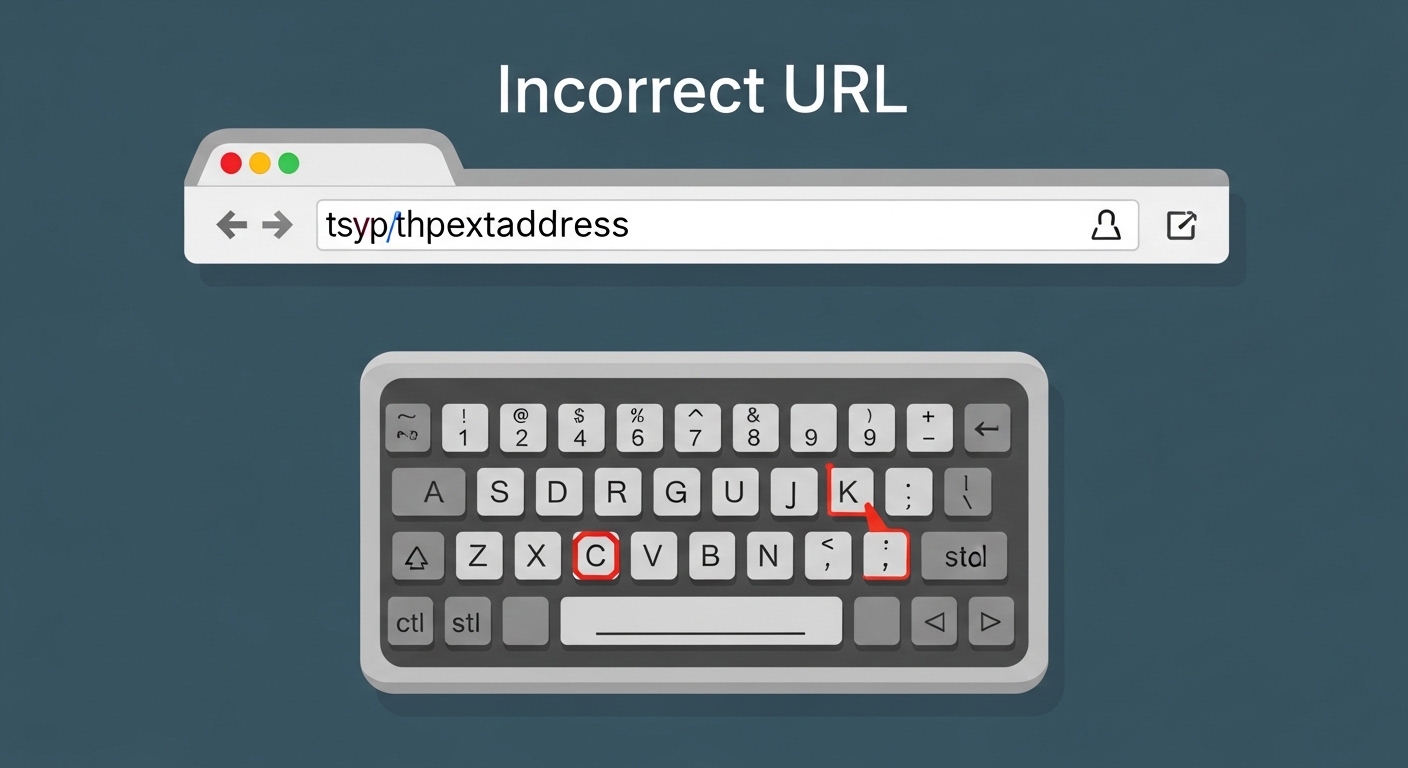
When browsing the internet, encountering errors can be frustrating, and one of the most common messages users see is http 404. This error appears when a webpage cannot be found on a server, often interrupting the user experience. While it may seem like a simple issue, understanding its causes and solutions is important for both users and website owners. The http 404 error is a standard response code that indicates missing or inaccessible content. By learning what it means and how to address it, individuals and businesses can improve website performance and ensure a smoother online experience.
What Does HTTP 404 Mean
The http 404 error is a status code that indicates a requested webpage is not available on the server. This usually means the page has been deleted, moved, or never existed in the first place. When a browser sends a request to access a specific URL and the server cannot find the corresponding resource, it responds with this error. Although it is a common issue, it does not necessarily mean the entire website is down. Instead, it points to a specific page problem. Understanding what http 404 means helps users identify whether the issue is temporary or requires further action.
Common Causes of HTTP 404 Errors
There are several reasons why a http 404 error may occur during browsing. One of the most common causes is an incorrect or broken URL entered by the user. It can also happen when website owners remove or rename pages without updating internal links. Server misconfigurations and outdated bookmarks may also lead to this issue. In some cases, the page may have been intentionally deleted without proper redirection. Identifying these causes is important for resolving the error efficiently. By understanding the root of the problem, both users and administrators can take appropriate steps to fix it.
Impact of HTTP 404 on User Experience
The presence of http 404 errors can significantly affect user experience on a website. When visitors encounter missing pages, they may feel frustrated and lose trust in the site. This can lead to higher bounce rates and reduced engagement. A poorly managed error page can also create confusion, especially if it does not provide clear navigation options. For businesses, this may result in lost opportunities and decreased customer satisfaction. Ensuring that users are guided properly when encountering a http 404 error can help maintain a positive experience and encourage them to continue exploring the website.
SEO Effects of HTTP 404 Errors
From an SEO perspective, http 404 errors can have a negative impact on website performance. Search engines may interpret multiple broken links as a sign of poor site maintenance, which can affect rankings. While occasional errors are normal, a large number of them can harm visibility in search results. Crawlers may struggle to index content properly if links lead to non-existent pages. Addressing these errors promptly is essential for maintaining search engine credibility. Website owners should regularly monitor and fix broken links to ensure that their site remains optimized and accessible to both users and search engines.
How to Fix HTTP 404 Errors
Fixing a http 404 error involves identifying the cause and applying the appropriate solution. If the issue is due to an incorrect URL, correcting the link can resolve it immediately. In cases where a page has been moved, setting up proper redirection ensures users reach the intended content. Website owners should also check for broken internal links and update them regularly. Server configurations may need adjustments if the error persists. By taking a systematic approach to fixing these issues, it is possible to reduce the occurrence of http 404 errors and improve overall website functionality.
Role of Custom 404 Pages
Custom error pages play an important role in handling http 404 situations effectively. Instead of displaying a generic message, a well-designed page can guide users back to relevant content. It can include navigation options, search features, or helpful links that keep visitors engaged. A thoughtful approach to designing these pages can turn a negative experience into a positive one. Businesses often use creative designs to maintain their brand identity even in error messages. By providing clear direction, custom pages help reduce frustration and encourage users to continue interacting with the website.
Preventing HTTP 404 Errors
Preventing http 404 errors requires consistent website maintenance and careful planning. Regularly checking for broken links and updating outdated content can minimize the chances of errors. When making changes to a website, proper redirection should always be implemented to avoid dead links. Using reliable tools to monitor site performance can help identify issues early. Maintaining a clear URL structure also reduces the likelihood of mistakes. By adopting proactive measures, website owners can ensure a smoother browsing experience and reduce the occurrence of http 404 errors significantly over time.
HTTP 404 vs Other Error Codes
The http 404 error is just one of many status codes used to communicate issues between servers and browsers. Unlike errors that indicate server problems, this code specifically refers to missing content. Other codes may represent different issues, such as access restrictions or server failures. Understanding the differences between these codes helps in diagnosing problems more accurately. While each error has its own meaning, http 404 remains one of the most commonly encountered by users. Recognizing its specific role allows for quicker troubleshooting and more effective solutions.
Importance of Monitoring Website Health
Monitoring website health is essential for managing http 404 errors and maintaining overall performance. Regular audits help identify broken links, missing pages, and other issues that may affect user experience. Tools and analytics can provide insights into how often these errors occur and where they originate. By staying informed, website owners can take timely action to resolve problems. Continuous monitoring also ensures that updates and changes do not introduce new errors. Maintaining a healthy website not only improves usability but also supports long-term growth and success in the digital environment.
Conclusion
The http 404 error is a common yet important aspect of web browsing that reflects issues with missing or inaccessible pages. While it may seem minor, its impact on user experience and search engine performance can be significant. Understanding its meaning, causes, and solutions allows both users and website owners to handle it effectively. By implementing proper maintenance practices, creating helpful error pages, and monitoring website health, it is possible to reduce these errors. A well-managed approach ensures a smoother, more reliable online experience and contributes to the overall success of any website.