
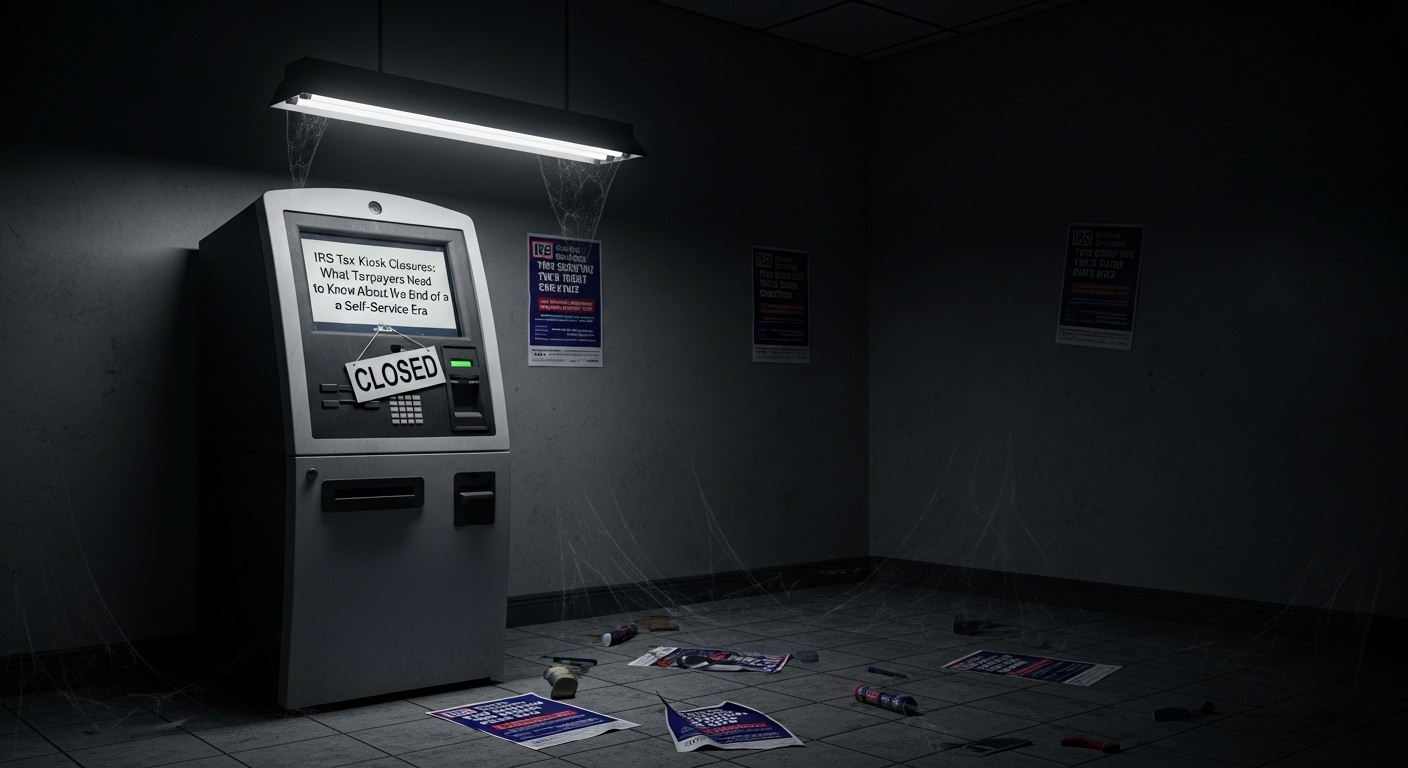
The recent wave of IRS tax kiosk closures has quietly reshaped how many taxpayers access in-person services at Internal Revenue Service facilities across the United States. For more than a decade, self-service kiosks were installed in select Taxpayer Assistance Centers (TACs) to help individuals complete routine tasks without needing a staff appointment. These machines were intended to provide a convenient alternative to online access, especially for taxpayers who lacked home internet or preferred walk-in assistance. However, significant challenges with maintenance, reliability, and usage have prompted the IRS to discontinue the program and remove kiosks from service. With these changes underway, it is important for both casual filers and tax professionals to understand the reasons behind the IRS tax kiosk closures and what options remain for in-person support.
What Were IRS Tax Kiosks and Why They Matter
IRS tax kiosks were stand-alone computer terminals located in Taxpayer Assistance Centers that allowed taxpayers to access digital tax services without direct staff interaction. These kiosks connected users to IRS.gov tools, enabling tasks such as retrieving prior-year tax transcripts, applying for an Employer Identification Number, and accessing basic tax information electronically. Introduced in 2011, the kiosks were meant to bridge the gap for users without reliable internet access at home or who needed quick self-service options. The presence of these machines in TACs was a step toward modernizing taxpayer support by offering alternative access points and reducing wait times for simple requests. For many taxpayers in rural or underserved communities, kiosks provided a helpful entry point to IRS services that might not otherwise be easily reachable.
Why the IRS Decided on Tax Kiosk Closures
The decision to proceed with IRS tax kiosk closures stemmed from long-standing operational difficulties and declining usage. A 2024 audit by the Treasury Inspector General for Tax Administration (TIGTA) found that roughly half of the roughly 100 kiosks scattered across 37 TACs were inoperable due to aging hardware and delayed maintenance efforts. Many machines used outdated technology, such as trackball navigation, and often lacked access to working printers, limiting their usefulness. The contracted vendor responsible for upkeep was slow to repair broken units, leaving some kiosks out of service for extended periods. This contributed to a sharp drop in usage over recent years, with only a fraction of the number of taxpayers using the kiosks compared to earlier years. Faced with these challenges, the IRS elected not to renew the maintenance contract and began phasing out the kiosk program.
Impact on Taxpayers and Service Access
The IRS tax kiosk closures primarily affect how routine, self-service tasks are accessed rather than eliminating services entirely. Tasks once handled at kiosks, such as accessing IRS digital tools or obtaining transcripts, continue to be available through the IRS.gov website and other online platforms. However, taxpayers who depended on physical terminals for these functions must now rely on digital access from personal devices or schedule appointments at TACs for assistance. During peak filing seasons, waiting periods for TAC appointments can extend several weeks, and phone support may involve longer hold times. For individuals without reliable internet at home, this shift adds a layer of complexity to managing tax responsibilities, making timely preparation and planning even more important.
How Taxpayer Assistance Centers Are Responding
Although the kiosks are being phased out, most Taxpayer Assistance Centers remain open and continue to serve taxpayers by appointment for more complex needs. In-person help from IRS staff is still available for issues such as audits, identity verification, liens, and other situations requiring human intervention. The move away from kiosks also coincides with broader changes within the IRS, including workforce shifts and office closures in some regions, which have sparked criticism from taxpayer advocates and union representatives. These stakeholders argue that reducing physical service options may create barriers for those who rely on face-to-face support, particularly in areas with limited internet access or for taxpayers who prefer in-person guidance. However, IRS leadership has emphasized ongoing digital support and the need to modernize services even as self-service kiosks are retired.
Alternatives for Routine Tax Tasks After Kiosk Removal
With IRS tax kiosk closures underway, taxpayers are encouraged to use alternative channels to complete routine tasks. The IRS.gov website offers comprehensive digital tools that replicate most kiosk functions, including retrieving transcripts, accessing Free File options, and handling payment arrangements. Many of these tools are available 24/7 and can be accessed from personal computers or mobile devices. For taxpayers without reliable internet access, community tax preparation programs such as Volunteer Income Tax Assistance (VITA) or Tax Counseling for the Elderly (TCE) can provide free support. Additionally, scheduling an appointment at a local Taxpayer Assistance Center remains an option for those needing personalized help. Understanding and using these alternatives helps ensure that the end of the kiosk program does not hinder compliance or access to essential tax services.
What the Future Holds for IRS Self-Service Solutions
While the kiosk program has ended, oversight bodies such as TIGTA and the Government Accountability Office have recommended that the IRS explore modern alternatives to support self-service access. Potential solutions under consideration include updated hardware, laptop-based digital access at select locations, or other ways to assist taxpayers without internet access. As the IRS continues to restructure and invest in technology, future initiatives may focus on integrating more user-friendly digital tools, expanding online self-service capabilities, and improving appointment scheduling systems. These developments reflect a broader effort to modernize the agency’s service delivery while balancing the needs of taxpayers who rely on in-person support. By staying aware of these shifts, taxpayers can adapt to changing service landscapes and take advantage of evolving IRS support options.
Conclusion
IRS tax kiosk closures mark the end of an era in self-service access within Taxpayer Assistance Centers, driven by reliability issues and a decline in usage. Although these changes shift how routine tasks are completed, core services remain available through online platforms and in-person appointments. As the IRS moves forward with modernization efforts, understanding the impact of these closures and the alternatives that exist can help taxpayers navigate future tax seasons with confidence.